Synagogue Furniture Repair and Restoration: What Can Be Saved?
Worn seating, loose joints, damaged wood, and aging finishes can make synagogue furniture less comfortable and harder to maintain. Careful repair and restoration can preserve daily function, protect a meaningful space, and extend the life of furnishings.
The right approach depends on the damage: some pieces need surface refinishing, while others require structural repairs. With a clear plan, you can set expectations for the work, cost, and timing; furniture restoration and refinishing FAQsexplain how these approaches differ.
Synagogue Furniture Repair and Restoration: What Can Be Saved?
Synagogue furniture repair and restoration can often preserve furnishings that still have sound structure, even when their surfaces show years of use. Pews and benches, chairs, tables, lecterns, bimahs, Torah stands, cabinets, and other wood pieces may be candidates for repair. The right treatment depends on each item's condition, how often people use it, its materials, and its significance to the congregation.
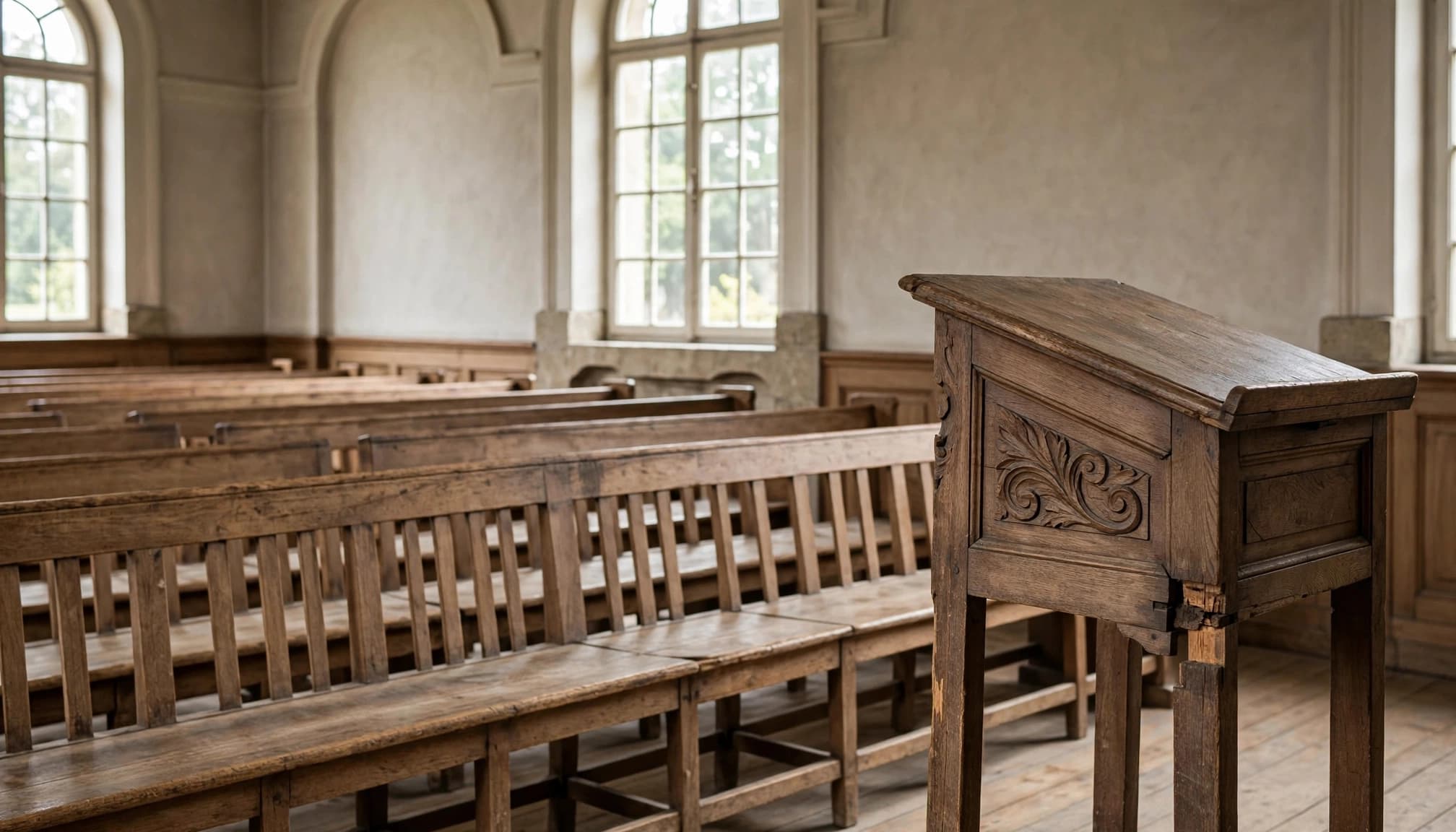
Common signs that synagogue furniture needs repair
Loose joints can make a chair or pew feel unstable, while rocking furniture may point to a damaged connection or uneven support. These problems deserve prompt attention because a piece could shift or fail under a person's weight. Splinters also pose a safety risk, especially on frequently handled seating, rails, and table edges.
Surface wear often starts with scratches, water marks, or a peeling finish. Although these flaws may look minor, moisture can swell wood or lift veneer, and exposed surfaces can collect more damage. Worn upholstery may also need repair or replacement when it has tears, loose seams, or compressed padding.
Doors and drawers that stick can signal alignment problems, loose hardware, or changes in the wood. For example, a cabinet door that rubs against its frame may wear through the finish each time someone opens it. Addressing the cause early can prevent more extensive repairs later.
How age, use, and materials affect the work
Furniture used throughout weekly services may need stronger structural attention than a piece displayed occasionally. Older construction can also call for a careful approach, particularly when the joinery, dimensions, or finish differ from modern furniture. Hardwood may tolerate sanding and refinishing, but veneer has a thin surface layer that can be damaged by aggressive sanding. Painted furniture may need targeted touch-ups to preserve the existing color and texture.
Past repairs matter, too. A previous adhesive, replacement part, or mismatched finish can affect how a new repair bonds or blends. Before work begins, record any known history, previous treatments, and finish details. Photos and notes can help guide decisions, especially when a piece has been in the congregation for generations. The National Park Service's guidance on wooden objects offers context on the care of historic wood.
A furniture repair professional can address seats, cabinets, and other furnishings, but sacred objects may need a conservator with specialized training. Torah scrolls and other ritual objects require a different standard of care than ordinary furniture. For wood furnishings, wood furniture repair and restoration may include stabilizing joints, repairing damage, and renewing worn surfaces while retaining useful original material.
Repair or Restore: Choose the Right Approach for Each Piece
The best choice depends on what has failed, how the furniture was built, and how the congregation uses it. Repairaddresses a specific problem, refinishing renews the surface, and restoration takes a broader approach to preserve the piece's character while returning it to sound, usable condition.
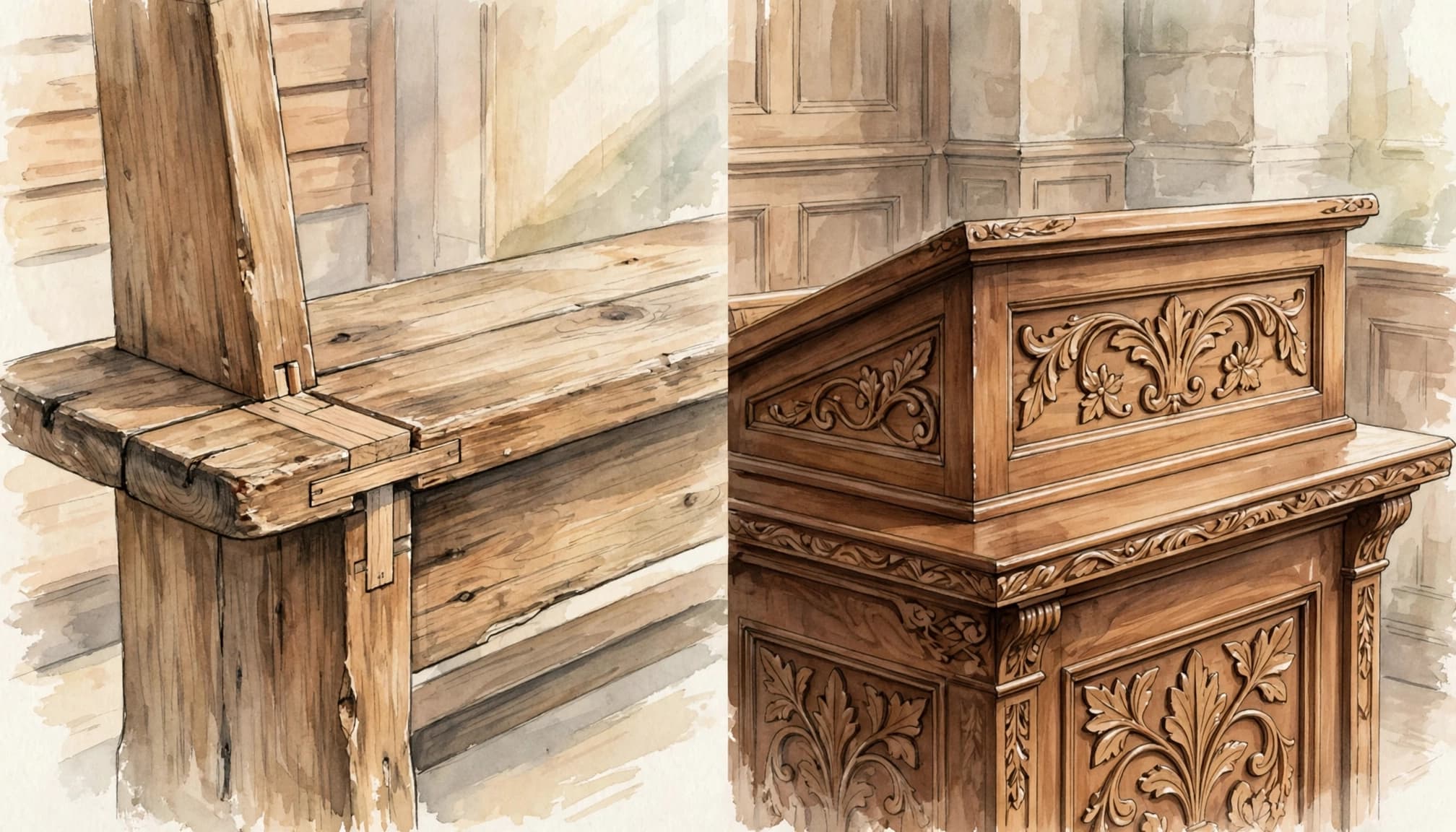
When a focused repair is the best choice
A loose pew joint, damaged hinge, chipped veneer, or unstable table leg may need only targeted attention. Tightening joints, replacing worn hardware, repairing a small veneer section, or stabilizing a loose component can address the problem without changing the whole piece. This approach retains more original material and can limit unnecessary work.
The repair must match the furniture's construction. A chair assembled with traditional joinery may need a different fix than one held with screws or brackets. Veneer also requires care because its thin surface can be damaged by aggressive sanding or an ill-fitting patch. Before choosing a repair, identify what caused the damage, then select materials and methods that suit the piece. For an overview of furniture refinishing and repair, consider how the work addresses both visible wear and underlying damage.
When refinishing or restoration makes sense
A worn finish, widespread scratches, water marks, or several mismatched past repairs may call for broader work. Refinishing renews or changes the surface, often through finish removal, touch-ups, and a new protective coating. The right finish should suit the wood and the way the item is used. The Canadian Conservation Institute's furniture finish care guidance also cautions that treatments can physically affect an object.
Restoration addresses more than appearance. It may include structural repairs, careful surface work, and attention to original details such as carved trim or hardware. The goal is to preserve the piece's character and useful original material as much as practical, while making it stable and fit for continued use. A finish that looks new is not automatically the best choice for an older, meaningful piece.
Balancing historic character with daily use
A congregation may value a furnishing for its age, craftsmanship, or place in synagogue life, while also needing it to be comfortable, safe, accessible, and manageable to maintain. These needs can guide the scope. For example, a frequently used bench may need stronger joints and a durable finish, while a ceremonial lectern may call for minimal changes to its visible details.
Before work begins, agree on what must remain unchanged, such as dimensions, carving, hardware, or the existing color. Also discuss any needed adjustments for safe daily use. Clear priorities help the person doing the work protect the features that matter while addressing practical needs. That balance is central to thoughtful synagogue furniture repair and restoration.
How a Synagogue Furniture Restoration Project Works
A synagogue furniture restoration project works best when leadership and the restoration team agree on priorities before work begins. A clear process helps protect meaningful details, reduce surprises, and keep the building available for worship and community use.
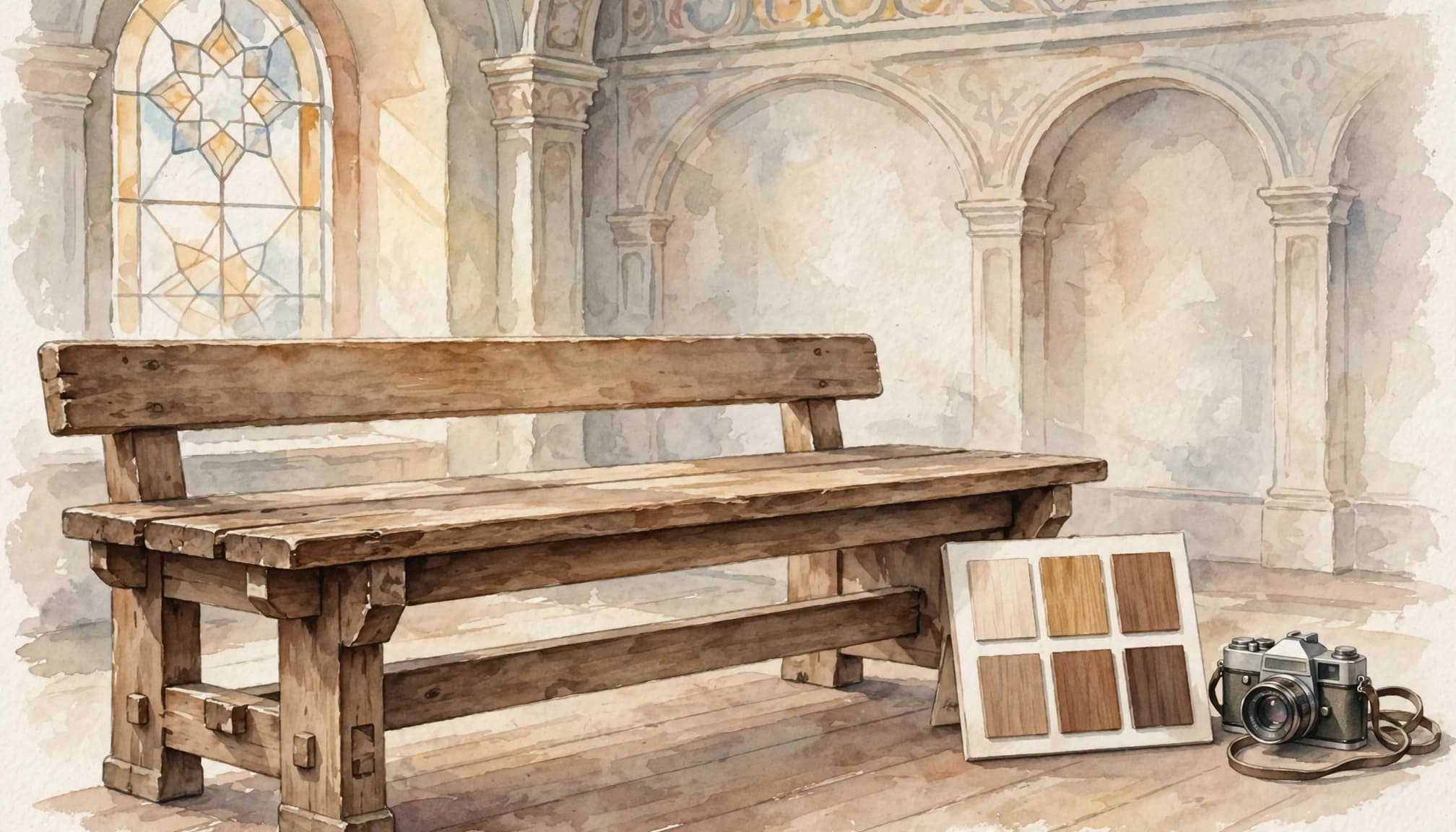
Inspect the furniture and set the project goals
Start with a close inspection of each piece. Check whether it rocks or shifts, then examine joints, legs, rails, and supports for looseness or cracks. Look for split or warped wood, peeling finishes, worn upholstery, damaged hardware, and signs of earlier repairs. A surface flaw may be cosmetic, while an unstable seat or splintered edge needs prompt attention.
Next, make a priority list with synagogue leadership. Note which furnishings see frequent use, which pieces have particular significance, and what needs attention first. Photos of damage and existing details help everyone discuss the same issues and document the starting condition. Separate safety concerns from appearance goals so the project addresses urgent repairs before optional refinishing.
Agree on materials, finish, and work schedule
Before repairs begin, review the proposed methods and approve finish samples on comparable wood or an inconspicuous area. Color can shift under different lighting, so check samples in the room where the furniture will be used. Discuss whether the work should preserve the current finish or change its appearance, and choose suitable materials for the item's construction and use. For historic finishes, the ICON guidance on furniture care cautions against products that can leave harmful residues.
Also confirm whether the furniture will go to a workshop or be repaired onsite. Ask about odors, drying and curing time, dust control, noise, and how the work area will be separated from people using the building. Then schedule access around services, classes, holidays, and community events. A written plan helps staff know when pieces will be moved and when the space will be ready again. Our wood furniture and cabinet restoration work follows a similar sequence of assessment, repair, and finish work.
Complete repairs and review the finished work
The repair sequence depends on the piece and its condition. When necessary, the restorer carefully disassembles components, repairs loose joints or damaged wood, and prepares the surface for a compatible finish. After applying the finish and allowing it to dry, the team reassembles the item and checks its stability, hardware, and overall appearance.
Before accepting the work, review each piece with the project lead. Test chairs, benches, doors, or drawers as appropriate, and check that repairs feel secure and the finish matches the agreed sample. Address any remaining concerns while the work area is still accessible.
What Affects Cost, Timing, and Your Choice of Repair Professional?
The cost and schedule for synagogue furniture repair and restoration depend on the condition of each piece and the work needed to make it safe and usable. A clear written scope helps your congregation compare proposals and decide which improvements can wait.
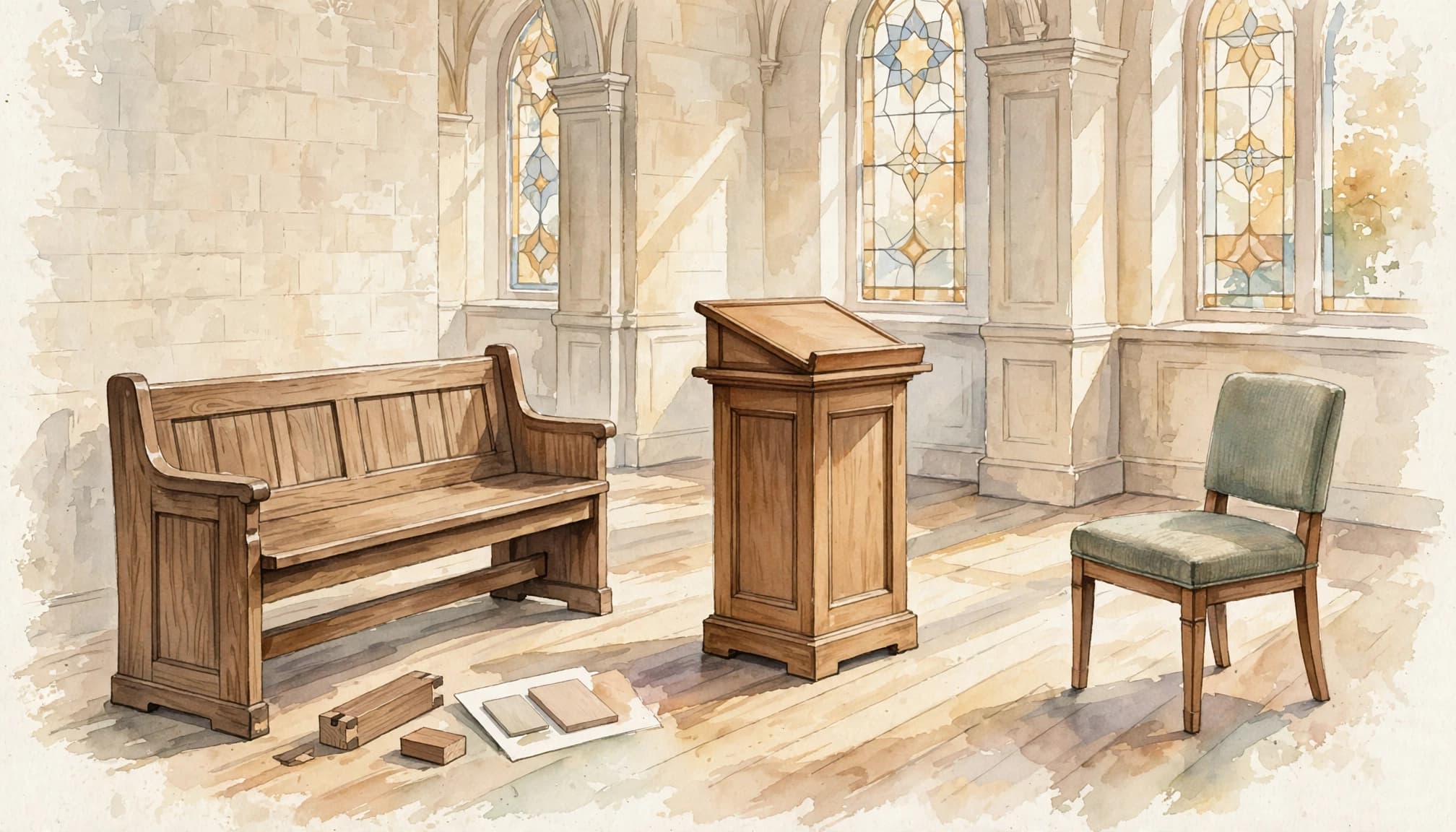
Understand the main cost and timeline factors
The number and size of the pieces affect labor, materials, and handling. A few chairs with loose joints may require less work than a full set of pews with structural damage. The severity of the damage matters, too: a small finish touch-up differs from rebuilding a cracked support or repairing extensive veneer loss.
Material and finish matching can add time, especially when the wood, stain, or sheen is unusual. Carved details, custom dimensions, and upholstery repairs may require specialized materials or careful fitting. Transport also affects the plan. Large pieces may need to move to a workshop, while narrow doorways, stairs, limited loading access, or onsite restrictions can complicate handling.
Ask when each item can return to use, not just when the hands-on work will finish. Drying and curing time varies by product and conditions, and furniture may need to remain unused while a new finish hardens.
Questions to ask before approving the work
Ask whether the provider has handled similar furniture and how they inspect for damage beneath the surface. Discuss the proposed repair methods, any finish samples, and how the team will protect floors, walls, and the worship space. Confirm the schedule, cleanup plan, and how workers will label, transport, and track each piece.
Request a written estimate that separates essential structural repairs from optional cosmetic updates. It should describe the work, materials, exclusions, expected schedule, payment terms, and warranty coverage. Before signing, agree on who moves and stores the furniture, where it will be kept, and how the provider will document its condition. Our overview of office furniture restoration can also help you understand the kinds of steps involved in repairing and refinishing furnishings.
Plan for safer use and easier upkeep afterward
Once the pieces return, follow a maintenance plan suited to their materials and finish. Check periodically for loose joints, shifting supports, splinters, or worn upholstery, and arrange repairs before small problems worsen. Clean spills promptly with a soft cloth, then use only gentle products approved for that surface. The Indiana Historical Society's wooden furniture care guidance explains why the condition of a finish matters when choosing a cleaning method.
When furniture needs to be moved, lift and guide it carefully rather than dragging it across the floor. That simple step can protect joints, legs, and finish from fresh damage.
Frequently Asked Questions
Even after choosing a repair plan, a congregation may have practical questions about appearance, scheduling, and future care. These answers can help you set expectations before work begins.
Can old synagogue furniture be repaired without changing its appearance?
Many repairs can remain visually subtle, especially when the work focuses on a loose joint, small chip, or isolated finish wear. However, the result depends on the wood or other material, the existing finish, the piece's age, and any past damage or repairs. A finish sample or small test area lets the congregation review color and sheen before approving broader work; a wood furniture restoration guide can also help clarify how surface treatment differs from structural repair.
Can repairs be completed without closing the synagogue?
Often, work can be divided into phases or scheduled outside service hours, allowing the congregation to keep parts of the space open. The best arrangement depends on the repair's scope, noise, dust, ventilation needs, and access to the furniture. Some pieces may need to go to a workshop, particularly when they require extended repair or finish curing, so confirm which items will be unavailable and for how long.
Should all furniture be restored at the same time?
No. Start with unstable pieces and furnishings that see heavy daily use, since loose supports, joints, or splintered areas can affect safe use. Then schedule cosmetic work on less urgent items as timing and budget allow. Grouping similar repairs may help organize the project, but each piece should have its own priority based on condition and how the congregation uses it.
How can a congregation protect restored furniture?
Follow the care instructions for the finish that the repair professional applies, and use cleaners suited to that surface. Limit moisture and direct heat, which can damage finishes or affect wood, and wipe spills promptly with a soft cloth. Check frequently used benches, chairs, and tables for new looseness or wear; basic wooden furniture care guidance can help staff choose gentle handling and cleaning practices.
Can a damaged piece be matched to existing furniture?
A repair professional can assess the wood species, stain, finish, shape, and construction, then use those details to seek a close match. Still, an exact match may be difficult when the original finish has aged, the wood has changed color, or the same materials are no longer available. Comparing a sample beside the existing furniture in the room's lighting can help the congregation approve a realistic result.
Conclusion
A thoughtful plan for synagogue furniture repair and restoration can make furnishings safer and more useful while respecting their character and place in community life. Document priority needs and decide which details you want preserved before work begins.
Then request a clear assessment and written scope so the congregation understands what needs repair and what work is proposed. With those decisions in place, commercial wood furniture restoration can be considered as part of a practical plan for maintaining the furnishings your community uses.


Comments
Post a Comment